
Greenhouse Gas Emissions Rose for the First Time in Two Years in 2025. Here’s Why
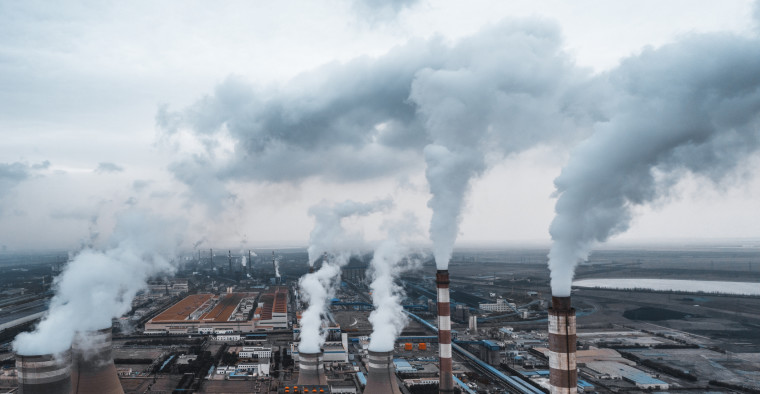
Here’s some good news: In 2023 and 2024, greenhouse gas emissions decreased year-over-year. And emissions released as a result of powering our electricity grid specifically have been, overall, on the decline for the last 20 years.
But in 2025, according to preliminary estimates from the independent economic researchers at Rhodium Group, greenhouse gas emissions did increase, reversing the trend that had been seen over the previous two years.
You might think the uptick is related to our increasing use of AI tools and the power-hungry servers that support them — and you’d be right. But according to Rhodium, another large share of the increase is driven by a much simpler dynamic that could have a direct impact on your household budget.
As the weather changes, so does our energy use
As we wind our way through what has been a warmer-than-usual January in many parts of the country, it may be hard to remember — but the 2024-2025 winter season was a chilly one. In fact, in eastern New York and western New England, it was the first colder-than-average winter in a decade.
And those frigid temperatures translated, says Rhodium, into an increased demand for space heating: "Colder 2025 winter temperatures led to increased direct combustion of these [natural gas and other fossil] fuels in buildings, driving up emissions by 56 million metric tons (MMT), or 6.8%, compared to 2024," the report says. (This is the first year since at least 2021 that has seen an emissions increase in the fossil fuel sector, which the firm separates from transport.)
Growing electricity use, on the other hand, was directly impacted by our changing technological landscape: commercial buildings, including data centers and cryptocurrency mining operations, increased electricity demand by 2.4%.
Overall, total emissions remain a substantial 18% lower than they were 20 years ago in 2005, and 6% lower than 2019’s pre-pandemic levels. Still, it’s important to note these upticks where they happen — especially as changing weather patterns continue to change the ways we need to heat, cool, and otherwise adjust our homes.
Girding your home (and your budget) against climate change
Although last year’s winter was a cold one, it doesn’t reverse the overall trend. According to data from NOAA, the global ocean and land temperature has been higher than the 1901-2000 average every year since 1976, and the last 10 years have been the hottest.
And unfortunately, the appliances we use to combat excessively hot or cool weather inside our homes — namely, indoor heating or air conditioning systems — also emit greenhouse gasses, feeding directly back into the dynamic that’s increasing the need for them.
Overall, heating produces more greenhouse gas emissions than air conditioning, but air conditioning emissions are rising faster. (Probably because, in general, our planet is getting warmer.)
Along with protecting the planet, you can also keep your energy bills lower by better insulating your home. It doesn't have to be an extensive, messy project: Sealing doors and windows with weatherstripping, investing in thermal curtains or upgraded windows, and adding insulation rolls or spray foam to unfinished attic ceilings can all make a big difference. Seasonal maintenance, such as wrapping your pipes and inspecting your heater, can also keep you ahead of winter woes.
Climate change has also been doing a number on homeowners insurance rates, which have steadily climbed over the last three decades and surged since 2022. Living in a smaller home could help you pay less for utilities as well as lower insurance premiums, but the increase in climate-change-induced natural disasters means higher prices for everyone — especially those who live in the line of fire (including literal wildfires, hurricanes, flooding and more).
About the Author
Personal Finance Writer
Jamie Cattanach is a personal finance writer and editor with more than a decade of experience. As an NFEC Certified Financial Education Instructor, she is especially passionate making financial literacy accessible to everyone and helping readers save for major life milestones.
Jamie has written content for major FinTech players such as SoFi, Chime and Capitalize, and her work has been featured in CNBC, USA TODAY and TIME.
Expertise
- Homeowners insurance
- Auto insurance
- Health insurance
Referenced by
- CNBC
- USA TODAY
- TIME
Credentials
- NFEC Certified Financial Education Instructor
Education
- BA, English; BA, Philosophy: Flagler College, 2013
Editorial Note: The content of this article is based on the author’s opinions and recommendations alone. It has not been previewed, commissioned or otherwise endorsed by any of our network partners.
